Green water in the koi pond is the scourge of outdoor pond owners. Green water is caused by a population explosion of algae in the koi pond. Algae are microscopic, single-celled plants, which can easily multiply to a density of as much as 7,000-15,000 per milliliter. With that many of them in the water, it's no wonder that the water turns green. Koi ponds can get high concentrations of phosphates from food decomposition, and nitrates from the nitrification cycle. High concentrations of phosphates and nitrates are the food for pond algae, along with some iron as a catalyst. So high ammonia in the koi pond will make koi pond green.
Tuesday, May 12, 2015

Friday, March 27, 2015
Self Cleaning Koi Pond
Design your pond with straight walls and a sloping bottom. The vertical walls will not collect debris and they will also help keep predators out of the pond. Ideal water depth for a koi pond is 3 to 4 feet. The bottom should slope to centralized bottom drains. These drains will take the dirty water to your filter. Cement ponds can be vertical. Liner ponds may need an angled wall in order to prevent the soil from caving in. The liner wall can be a vertical wall for the first 18 to 24 inches depeding on the stability of your soil. The wall can then angle towards the floor to make up the additional depth needed to achieve 3 to 4 feet.
Monday, March 23, 2015
How To Know Gene Koi Fish
KOI FISH -- The Taisho Exposition was held in the 3rd year of the Taisho Era (1914), which is when Nishikigoi started to become more popular in the society. The varieties produced and established in the Taisho Era are Taisho Sanshoku, Shiro Utsuri, Ki Utsuri, and Asagi, and in the Showa Era, Showa Sanshoku, Kin Uchiwa, Gin Uchiwa, and Kin Kabuto. In the 7th year of the Showa Era (1932), Niigata Fisheries Experiment Station established the Agano River Breeding Pond, and modified research of Nishikigoi started as a full-time operation.


Friday, January 30, 2015
Selecting Showa Koi
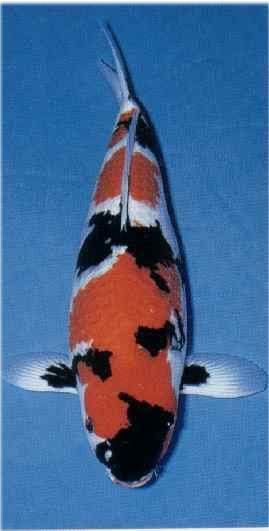
SHOWA KOI FISH -- Showa is also a Kohaku koi type, that has a black pattern on top. They are in gosanke koi classification. Select showa must start with that perfect Kokaku. The word, Kohaku, sure comes up a lot.Take the perfect Kohaku and add the black in the right places and you have Showa. Showa is koi type with combination of a good Kohaku and a good Shiro Utsuri koi type. Showa go through many changes as they grow. Many times the black is very deep and only comes out as the fish grows. For this reason, if you see gray areas, it might not be poor quality white but deep black that will appear later.
Monday, January 26, 2015
Koi Pond Skimmers

Friday, December 19, 2014
Low Cost Pond filtration With Sand Filter
 |
| Sand Filter Work, Pic From reuk.co.uk |
Subscribe to:
Posts (Atom)


